




Fire Pit and Fireplace Installation in Austin, TX: Clearance, Gas Line, and Code Compliance Standards
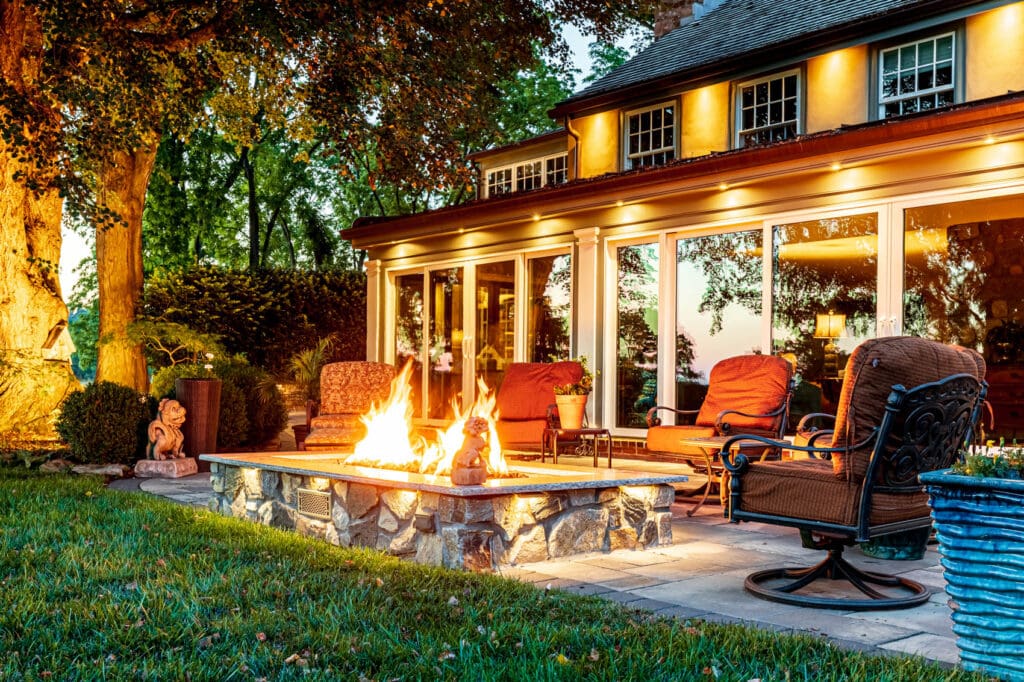
Are you planning a fire pit or outdoor fireplace for your Austin property and trying to understand what separates a properly built, code-compliant fire feature from the installations that look attractive but leave clearance, ventilation, and gas line sizing requirements unaddressed? Fire feature construction is a category where safety-critical specifications, clearance distances, fire-rated materials, and gas line capacity, matter as much as the visual design, since these features generate genuine, sustained heat and combustion in close proximity to structures, plantings, and seating areas.
At Doddridge Landscaping, fire feature design and installation is part of our fire pits and fireplaces service across Austin. Here is what proper construction actually involves.
Clearance and Setback Specification
Structure setback specification maintains minimum clearance distances from combustible structures, typically a minimum of ten feet from any structure for a wood-burning fire pit, though local jurisdiction requirements and specific fire feature type can adjust this distance, requiring confirmation against City of Austin or applicable jurisdiction fire code before final placement.
Overhead clearance specification accounts for any overhanging structures, pergolas, tree canopy, or roof eaves above the fire feature's location, with adequate vertical clearance preventing heat and ember exposure to combustible overhead materials.
Combustible material setback around the fire feature itself addresses fencing, wood decking, and dense plantings within the immediate surrounding area, since radiant heat from a sustained fire can affect nearby combustible materials well beyond the distance direct flame contact would suggest.
Firebox Construction and Material Specification
Fire-rated lining specification uses firebrick or a fire-rated refractory material for the interior firebox surface, rather than standard building brick or stone not rated for sustained high-heat exposure, since non-fire-rated materials crack and deteriorate within one to two seasons of regular use.
Structural shell specification uses concrete block or a similarly durable structural material for the fire feature's exterior structure, with natural stone or manufactured veneer applied over this structural shell for the finished appearance, maintaining appropriate air gap and mortar specification between the fire-rated interior and any veneer material.
Gas Line Sizing for Gas-Powered Fire Features
BTU demand calculation determines the total gas demand of the specific burner and fire feature selected, expressed in BTUs per hour, the figure that determines required gas line pipe diameter and length capacity for adequate gas delivery to the appliance.
Gas line sizing specification follows standard gas piping sizing tables based on the calculated BTU demand, the distance from the gas meter or supply point to the fire feature, and the number of additional appliances sharing that supply line, since undersized gas lines produce inadequate flame performance and potential ignition issues regardless of how well the fire feature itself is constructed.
Shutoff valve and connection specification includes an accessible shutoff valve positioned per code requirements, allowing gas supply to be isolated for maintenance or emergency situations, along with proper flexible or rigid connector specification rated for outdoor, buried, or exposed installation as the specific run requires.
Licensing Requirements for Gas Work
Gas line installation and connection work in Texas requires a licensed plumber or gas fitter for the gas supply portion of the project, separate from the general landscape construction work, and confirming your contractor either holds this licensing directly or properly subcontracts this scope to a licensed professional protects both code compliance and genuine safety on gas-powered installations.
Installation Sequence
Site excavation and footing preparation establish the structural foundation for the fire feature, sized appropriately for the feature's total weight and any local frost depth requirements, though Austin's generally mild climate reduces frost depth concerns compared to colder regions.
Structural shell and firebox construction proceed using fire-rated materials throughout the interior, with gas line rough-in coordinated during this phase for gas-powered features, positioning the gas connection point before veneer and finish work covers the structural shell.
Veneer and finish work complete the visible exterior, with final gas connection, pressure testing, and ignition testing performed by the licensed gas professional before the feature is put into regular use.
What Fire Feature Installation Costs
Standard gas fire pits, including proper gas line installation and fire-rated construction, typically cost 4,500 to 9,000 dollars depending on size and finish material. Wood-burning or gas outdoor fireplaces with a mantel and chimney structure typically run 12,000 to 25,000 dollars given the additional structural and ventilation engineering these features require.
Why Clearance and Gas Line Accuracy Matter
Fire features built without proper clearance distances or correctly sized gas lines create genuine safety exposure, inadequate flame performance, or code violations that surface during a future home inspection or insurance assessment. Correct specification at the design and construction phase protects both the feature's safe operation and your property's long-term compliance standing.
The team at Doddridge Landscaping builds fire features across Austin with the clearance, material, and gas line specification genuine safety and code compliance require.

Planning a fire pit or fireplace for your Austin property? Reach out to Doddridge Landscaping today.
.svg)
.svg)
.svg)

.svg)