




Landscape Lighting Installation in Austin, TX: Transformer Sizing and System Design Standards
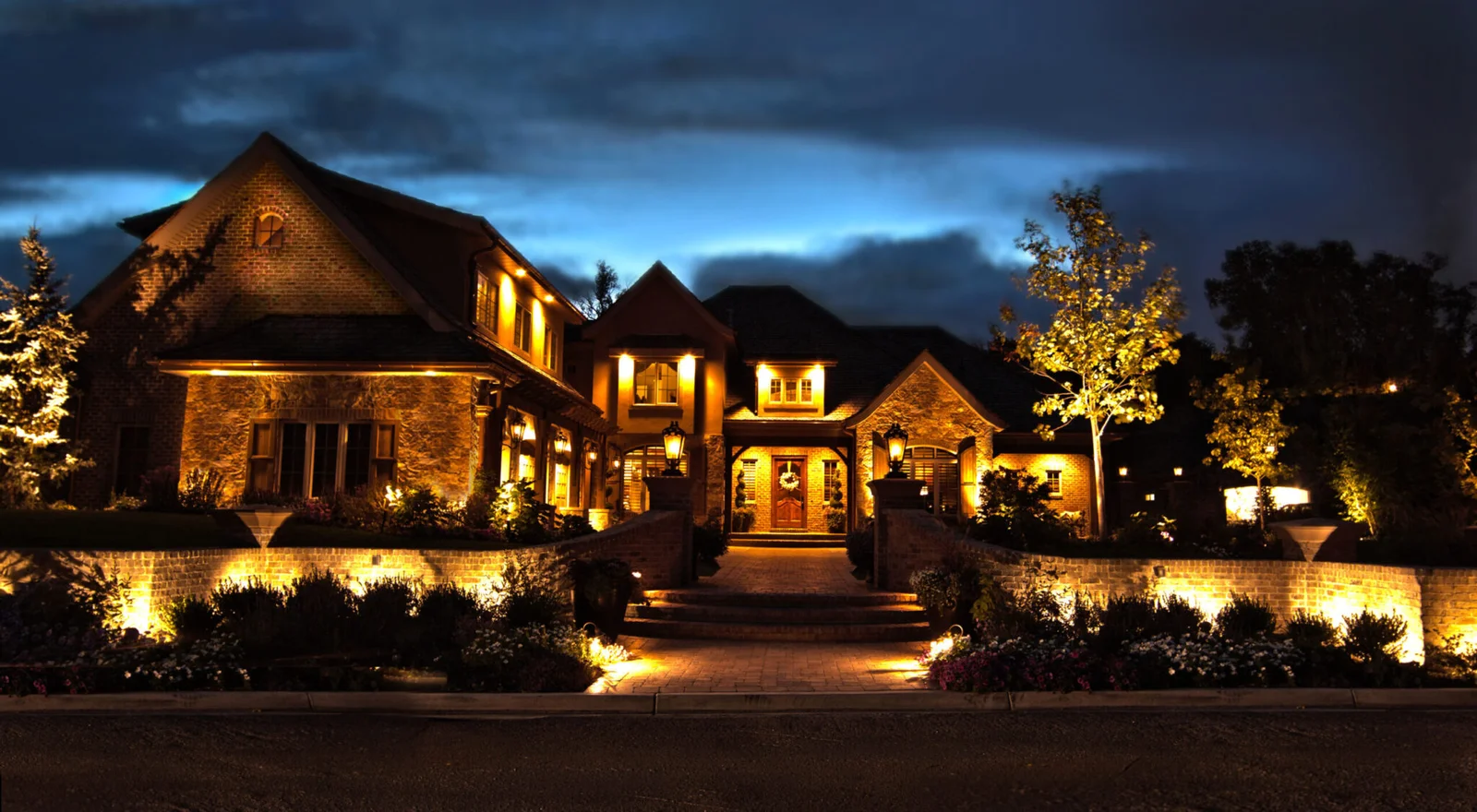
Are you planning landscape lighting installation for your Austin property and trying to understand what separates a properly engineered low-voltage system from the production installs that satisfy basic illumination while leaving voltage drop, transformer sizing, and long-term fixture performance unaddressed? Landscape lighting design is a category where electrical calculation errors don't show up on installation day, they show up gradually over the following months as fixtures at the end of long wire runs dim noticeably compared to fixtures closer to the transformer.
At Doddridge Landscaping, low-voltage landscape lighting design and installation is part of our outdoor lighting service across Austin. Here is what proper system design actually involves.
Load Calculation and Transformer Sizing
Fixture wattage inventory totals the actual wattage draw of every fixture planned for the system, using the specific LED fixture wattage ratings from manufacturers like Kichler, FX Luminaire, or Cast Lighting rather than estimating, since undersizing a transformer relative to actual connected load produces voltage delivery problems across the entire system.
Transformer sizing specification adds a minimum 20 percent capacity buffer above the calculated total fixture wattage, accommodating future fixture additions and accounting for the reality that transformers running at their absolute rated capacity have shorter operational lifespans than those with reasonable headroom.
Voltage Drop Calculation and Wire Gauge Specification
Voltage drop calculation determines the appropriate wire gauge for each run based on total wattage carried and the distance from transformer to the fixtures on that run, since low-voltage systems are specifically vulnerable to voltage drop over distance in a way line-voltage electrical work is not.
Wire gauge specification typically uses 12-gauge wire for longer runs or higher-wattage circuits and 14-gauge for shorter runs with lower connected load, with the specific gauge selected based on the calculated voltage drop for that particular run rather than a single gauge applied uniformly across an entire system regardless of run length.
Multi-tap transformer specification allows output voltage to be adjusted, typically in 12, 13, 14, and 15-volt taps, compensating for voltage drop on longer runs by supplying slightly higher voltage at the transformer, since fixtures rated for 12 volts nominal still perform correctly across a reasonable voltage range as long as the drop is properly calculated and compensated for.
Fixture Specification and Placement Design
Layered lighting design specification distributes fixture types across distinct functional layers, path lighting for walkways and steps, uplighting at tree bases and architectural features, downlighting from tree-mounted or eave-mounted fixtures, and accent lighting on specimen plantings or hardscape features, rather than relying on a single fixture type and placement pattern throughout the property.
As Blog 4 establishes for xeriscape design, lighting placement for xeric specimen plantings, agave, sotol, specimen yucca, benefits particularly from uplighting technique, since these architectural plant forms create dramatic shadow and texture effects under upward illumination that daytime viewing alone doesn't reveal.
Fixture housing specification uses cast brass or aluminum housings rated for outdoor, direct burial or above-grade mounting as appropriate, with LED lamp specifications rated for the ambient temperature ranges Austin summers produce, since fixtures rated for milder climates can experience shortened LED lifespan under sustained high ambient heat.
Installation Sequence
Wire routing and trenching follow the calculated circuit design, with wire buried at a minimum six-inch depth in planting beds and deeper beneath any areas subject to foot traffic or future soil disturbance, using direct burial rated cable throughout.
Transformer mounting and connection follow electrical code requirements for outdoor-rated enclosures, GFCI-protected circuits, and appropriate mounting height and location relative to moisture exposure.
Fixture installation and aiming complete the process, with final aiming and focus adjustment performed after dark to confirm actual light distribution matches the design intent, since daytime placement alone doesn't reveal how fixtures actually perform once illuminated.
What Landscape Lighting Installation Costs
Standard residential landscape lighting systems, 12 to 20 fixtures with a properly sized transformer and calculated wire gauge specification, typically cost 4,500 to 9,000 dollars installed. Larger, more comprehensive systems across bigger Austin properties with 25 or more fixtures and multiple circuits typically run 9,000 to 18,000 dollars depending on fixture selection and smart control integration.
Why Electrical Calculation Accuracy Matters
A landscape lighting system designed without proper voltage drop calculation frequently shows noticeably dimmer fixtures at the far end of longer runs within the first year of operation, a problem invisible during daytime installation but obvious every evening the system operates. Correct transformer sizing and wire gauge calculation at the design phase is what ensures consistent illumination across every fixture in the system.
The team at Doddridge Landscaping designs and installs landscape lighting across Austin with the electrical calculation accuracy that determines long-term, consistent performance.

Ready for a properly engineered lighting system for your Austin property? Reach out to Doddridge Landscaping today.
.svg)
.svg)
.svg)

.svg)