




Landscape Maintenance for Houston Healthcare Properties — What Patient Experience and Institutional Quality Standards Actually Require
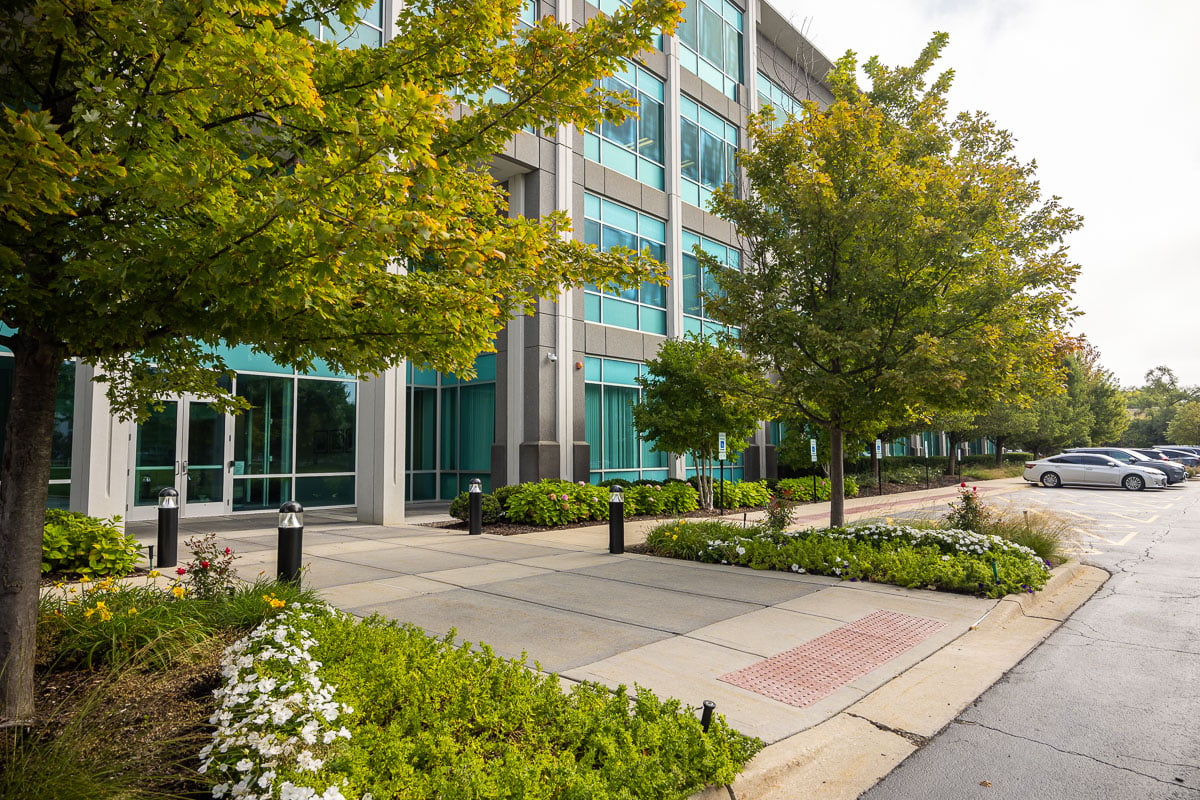
Is the landscape maintenance program at your Houston healthcare property serving the patients, families, and clinical staff who experience it around the clock — or is a program calibrated for standard commercial maintenance producing the quality gaps that a healthcare property's specific operational requirements and patient care context make more consequential than equivalent gaps on other commercial property types? Houston's healthcare real estate market — the Texas Medical Center's 60-plus institutions, the community hospitals and specialty clinics distributed across the Houston metro's residential submarkets, and the growing medical office and outpatient campus developments that Houston's healthcare demand continues to generate — creates a commercial landscape maintenance market segment where the specific demands of patient experience, clinical operations, and institutional quality standards create requirements that generic commercial maintenance programs address inadequately.
Healthcare landscape maintenance differs from office park, retail center, and multifamily maintenance in the specific ways that the healthcare environment's 24-hour operations, patient population vulnerability, and the therapeutic dimension of the outdoor environment create demands that the maintenance program needs to address as program requirements rather than incidental considerations. The landscape maintenance program that meets the standard a well-managed Houston office park requires does not necessarily meet the standard a Houston healthcare property requires — and the difference is not simply a matter of degree but of the specific program components that healthcare context demands.
At Gulf Reserve Landscape & Pools, commercial landscape maintenance for Houston healthcare properties is part of our commercial maintenance contract service. Here is what landscape maintenance done correctly for Houston healthcare environments actually involves.
What Distinguishes Healthcare Landscape Maintenance From Standard Commercial Maintenance
The specific characteristics of Houston healthcare property landscape maintenance that distinguish it from standard commercial maintenance reflect the healthcare environment's unique operational context, patient population needs, and the therapeutic role that well-maintained outdoor environments play in healthcare settings.
Around-the-clock operational reality at Houston healthcare properties creates the maintenance scheduling constraint that standard commercial property maintenance does not face. Emergency departments, inpatient units, and the clinical operations that 24-hour healthcare delivery requires mean that patients, families, and staff are arriving, departing, and moving through the outdoor environment at every hour. Maintenance operations on Houston healthcare properties need the scheduling coordination that keeps disruptive activities — mowing noise, equipment presence on access routes, and chemical applications in patient-adjacent areas — out of the clinical operations periods when these activities would create the negative service environment that patient care contexts cannot accept.
Patient population vulnerability creates the specific landscape maintenance requirements that healthcare properties face beyond standard commercial quality standards. Patients with compromised immune systems, respiratory conditions, allergies, and the physical vulnerabilities that recent surgery, active illness, and medical treatment create are the population whose safety the maintenance program needs to protect through the chemical application protocols, the allergen management, and the biological hazard controls that standard commercial maintenance programs do not address with the same specificity that healthcare contexts require.
Wayfinding and accessibility maintenance as a patient care quality function reflects the direct relationship between clearly maintained outdoor circulation routes and the patient's ability to navigate the healthcare campus accurately and safely. The overgrown pathway that reduces usable width, the biological growth on pathway surfaces that creates slip hazards in Houston's humid conditions, and the entry signage obscured by unmanaged plant growth are the maintenance failures that standard commercial maintenance occasionally tolerates and that healthcare campus maintenance cannot because they directly affect patient navigation and safety.
Therapeutic landscape maintenance at Houston healthcare properties that have developed healing gardens, therapeutic outdoor spaces, and the nature-access amenities that research validates as beneficial for patient recovery and family stress relief requires the maintenance standard that makes these spaces genuinely therapeutic rather than simply planted outdoor areas. As healthcare administrators who have developed healing garden programs consistently observe, the outdoor space that is declining in maintenance quality communicates neglect rather than care in a context where the message the environment sends has specific therapeutic significance for patients and families whose emotional state makes them more sensitive to environmental quality signals than the typical commercial property visitor.
Maintenance Scheduling for Houston Healthcare Properties
Maintenance scheduling for Houston healthcare properties requires the coordination with clinical operations, patient care schedules, and the access route priorities that 24-hour healthcare facilities impose.
Traffic pattern analysis before scheduling any maintenance activity on Houston healthcare properties — the assessment of patient flow patterns, emergency vehicle routes, and the clinical operation peak periods that determine when maintenance can proceed without creating the access conflicts or patient experience disruptions that healthcare operations cannot accommodate — is the scheduling intelligence that distinguishes healthcare-experienced landscape contractors from those applying standard commercial scheduling to a fundamentally different operational context.
Chemical application timing and notification for Houston healthcare landscape maintenance reflects the patient safety requirements that Blog 106 establishes for healthcare campus chemical applications. The 24 to 48 hour advance notification to facility management before pesticide, herbicide, or fertilizer applications — the notification that allows patient care staff to manage exposure for vulnerable patients, reschedule outdoor activities, and communicate with clinical teams about affected areas — is the program standard that healthcare landscape maintenance includes as a non-negotiable component rather than an optional courtesy.
Early morning scheduling for the most disruptive maintenance activities — the mowing operations that generate noise and equipment presence — positions these activities in the pre-peak-occupancy window when patient flow has not yet reached the daytime levels that make equipment presence most disruptive to the outdoor environment quality that patients and families experience on arrival and during outdoor activity.
Plant Selection and Allergen Management for Houston Healthcare Properties
Plant selection and allergen management for Houston healthcare landscape maintenance programs addresses the specific patient population vulnerability to the pollen, fragrance, and biological agents that certain plant species generate.
Low-allergen plant management at Houston healthcare properties — avoiding or minimizing the high-pollen plant species in the planting areas adjacent to patient entry and outdoor use areas — reduces the respiratory exposure that affects the allergy and asthma patients, the chemotherapy patients with compromised immune response, and the post-surgical patients whose recovery conditions make allergen exposure more consequential than it would be for the general population. As Blog 106 establishes for Houston medical campus maintenance, male cultivars of juniper, cypress, and the ornamental grasses that produce abundant airborne pollen are generally inappropriate for use in patient-adjacent areas of Houston healthcare properties — the plant palette management that reduces the allergen burden in the spaces where vulnerable patients spend time.
Fragrance management at Houston healthcare properties addresses the fragrant plant species — strongly scented flowering plants, aromatic herbs, and the ornamental species whose fragrance triggers the nausea responses that some chemotherapy patients and post-surgical patients experience — in the planting areas adjacent to patient access routes and outdoor seating areas. The planting palette at Houston healthcare properties that manages fragrance exposure for vulnerable patient populations communicates the patient-centered thinking that distinguishes healthcare landscape programs from standard commercial planting programs that consider fragrance a positive quality.
Biological hazard management — the standing water elimination, the aggressive biological growth management on pathway surfaces, and the mosquito habitat control that Houston's humidity makes particularly important in healthcare settings where immunocompromised patients face elevated risk from mosquito-borne pathogens — is the maintenance program component that Blog 106 establishes as a patient safety requirement rather than an aesthetic preference at Houston healthcare properties.
Healing Garden and Therapeutic Space Maintenance
Healing gardens and therapeutic outdoor spaces at Houston healthcare properties require the maintenance standard that makes these spaces genuinely therapeutic — the quality that supports the patient and family benefits that healthcare administrators invested in these spaces to provide.
Detail maintenance quality in Houston healthcare healing gardens — the weed-free planting beds with adequate mulch depth, the clean and defined pathway edges, the healthy and well-maintained plant material that communicates active care — communicates the institutional investment in the patient experience that patients and families in healing garden spaces are particularly attuned to. The healing garden where maintenance quality communicates active investment in the patient experience creates the therapeutic environment that research validates. The healing garden where declining maintenance quality communicates neglect creates the opposite effect.
Sensory garden maintenance at Houston healthcare properties designed to provide specific sensory experiences — the visual color and texture variety, the gentle water feature sounds, the carefully selected fragrance-appropriate plant materials — requires the maintenance standard that preserves the specific sensory qualities the garden was designed to create. The sensory garden where maintenance has allowed the visual variety to become monotonous, the water feature to develop the biological growth that changes its sound and appearance, and the fragrance-appropriate planting to be replaced with inappropriate alternatives has lost the specific therapeutic value it was designed to provide.
Seating and hardscape maintenance in Houston healthcare outdoor therapeutic spaces — the seating surfaces clean and safe for patient use at all times, the pathway surfaces free of the biological growth that Houston's humidity deposits on outdoor surfaces between maintenance visits, and the shade structure maintenance that maintains the protection from Houston's direct sun that patient populations with compromised skin and medications that increase sun sensitivity require — is the therapeutic space maintenance standard that patient-centered healthcare landscape programs maintain proactively rather than reactively.
Documentation and Compliance for Houston Healthcare Landscape Maintenance
Documentation and compliance for Houston healthcare landscape maintenance programs reflects the specific regulatory and institutional accountability requirements that healthcare settings impose on every operational program.
Chemical application documentation for every pesticide, herbicide, and fertilizer application at Houston healthcare properties — the specific products, application rates, licensed applicator credentials, areas treated, and environmental conditions at the time of application — provides the regulatory compliance record and the incident response documentation that healthcare facility environmental management programs require. The chemical application record that can be accessed immediately when a patient exposure concern arises is the documentation that protects both the patient and the institutional response process — the record that delays in accessing can complicate patient care decisions when time matters.
Incident response protocols for maintenance-related incidents at Houston healthcare properties — the immediate notification process, the documentation requirements, and the escalation path that connects the landscape contractor's incident response to the facility management and risk management functions that healthcare properties maintain — are the contractual requirements that healthcare landscape maintenance programs define specifically rather than leaving to informal processes that may not function correctly when the urgency of an actual incident demands immediate response.
Regulatory compliance documentation for the environmental and safety requirements that Houston healthcare properties operate under — the chemical application records, the licensed applicator credentials, and the program documentation that healthcare facility accreditation and regulatory oversight programs review — is the compliance infrastructure that healthcare landscape contractors need to maintain as standard program documentation rather than assembling reactively when oversight processes request it.

Is the landscape maintenance program at your Houston healthcare property meeting the specific standards that patient safety, therapeutic environment quality, and healthcare institutional accountability require? Gulf Reserve Landscape & Pools walks every Houston healthcare property personally — assessing the specific patient population needs, the clinical operational requirements, and the program scope that the property's healthcare context demands before recommending any maintenance scope or contract structure.
Get your free estimate at gulfreservelandscaping.com
.svg)
.svg)
.svg)

.svg)