




Sod Installation for Established Houston Properties — What Accumulated Soil Conditions, Mature Tree Competition, and Aging Infrastructure Actually Require
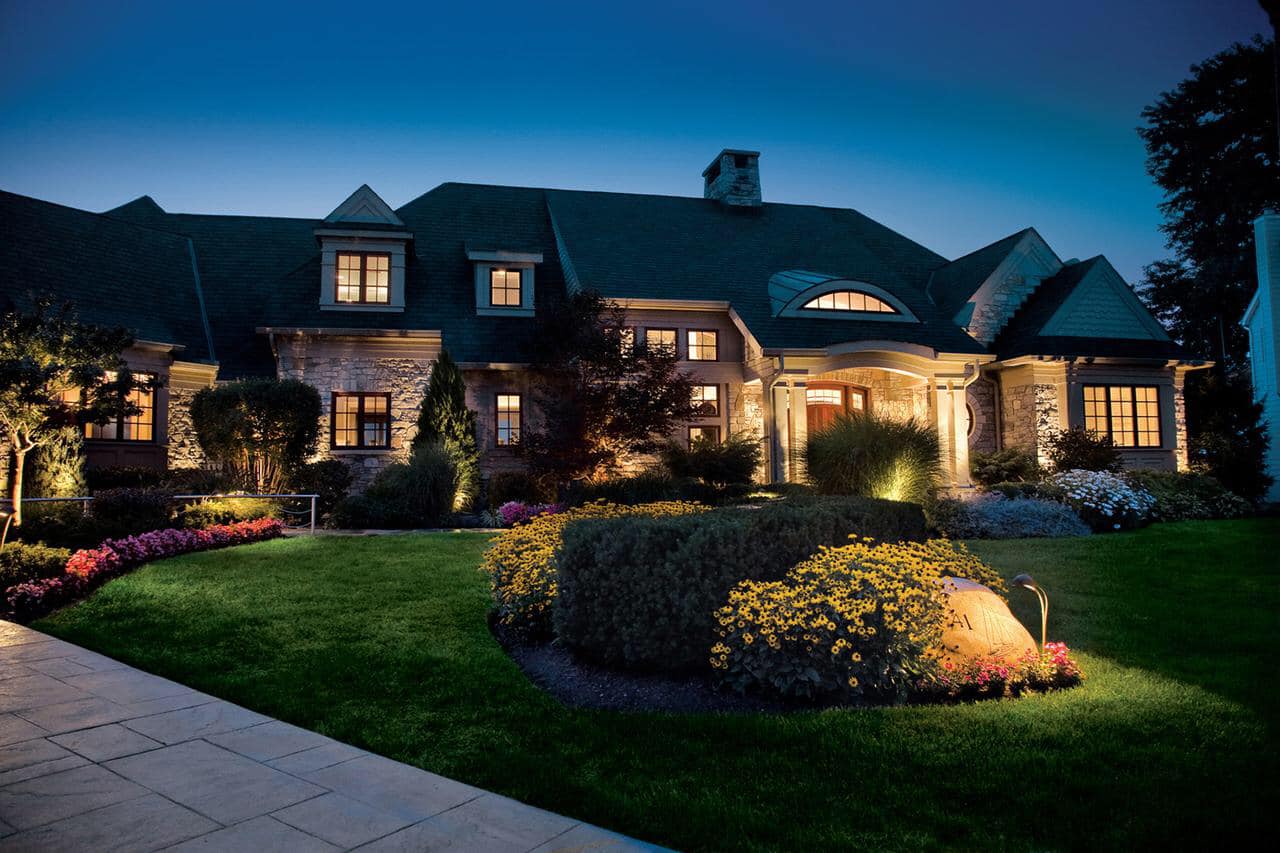
Is the sod installation you are planning on your established Houston property accounting for the specific conditions that years of ownership, irrigation, and maintenance have created on the specific site — or are you applying the new construction sod installation approach to a property whose accumulated soil chemistry, mature tree root competition, and aging irrigation infrastructure create conditions that new construction preparation programs address inadequately? Established Houston residential properties — the properties that have been under residential ownership and active landscape management for 10 to 30 or more years — present sod installation conditions that differ meaningfully from both new construction lots and from the generic Houston residential conditions that most sod installation guidance addresses.
The differences are specific and consequential for installation outcomes. The soil pH that has accumulated above the native Houston clay baseline from years of hard water irrigation. The compaction that years of maintenance equipment, foot traffic, and the natural clay consolidation that Houston's wet-dry cycles produce has created at 2 to 4 inches below the surface. The mature tree root systems that compete aggressively with new sod for the water and nutrients in the top 18 to 24 inches of soil. The irrigation system that was designed for the previous landscape and that may not correctly serve the sod installation area after years of head displacement, zone layout changes, and controller programming drift. These accumulated conditions require the site-specific assessment and preparation that makes sod installation on established Houston properties produce the lasting results that the investment deserves.
At Gulf Reserve Landscape & Pools, sod installation on established Houston residential properties is one of our most consistent project categories. Here is what proper sod installation on established Houston properties actually requires.
What Accumulated Conditions on Established Houston Properties Mean for Sod
Understanding the specific accumulated conditions that established Houston residential properties present for sod installation — and why they differ from both new construction and from the assumed baseline that standard amendment programs address — establishes why site-specific assessment before installation is more important on established properties than on any other Houston sod installation context.
Accumulated soil pH elevation from years of hard water irrigation is the most consistently consequential soil condition difference between established Houston properties and new construction lots. As Blog 01 establishes for Houston soil chemistry, Houston's municipal water at 100 to 200 parts per million hardness deposits calcium carbonate into the soil with every irrigation cycle — the accumulation that raises soil pH progressively above the 7.5 to 7.8 native clay baseline toward the 8.0 to 8.5 range that properties with 15 to 25 year irrigation histories consistently reach. The established Houston property where sod has been failing to maintain quality despite adequate irrigation and fertilization is frequently a property where the soil pH has accumulated to the level where nutrient lockout prevents the fertilizer from producing the response that lower-pH soil would deliver.
The amendment program that addresses this accumulated pH correctly — sulfur at the rate the tested pH level requires, chelated iron that provides immediately available iron regardless of pH, and the ongoing ammonium sulfate fertilization that provides mild acidification with each application — needs to be calibrated for the specific tested pH rather than the new construction baseline that standard amendment programs assume.
Compaction from years of maintenance is the second accumulated condition that established Houston properties consistently present for sod installation — the compaction layer at 2 to 4 inches that years of mowing equipment, foot traffic, and clay consolidation have created and that restricts new sod root penetration to the shallow zone above the compaction layer. As Blog 107 establishes for Houston soil compaction, the shallow root mat that compaction produces creates the drought vulnerability, heat stress susceptibility, and thin coverage that established Houston lawns commonly develop as the compaction layer progressively restricts root depth.
The remediation aeration that addresses this compaction correctly — at the 2 to 3 inch core spacing and the 4 to 6 inch depth that reaches below the compaction layer — is more aggressive than the maintenance aeration program adequate for annual compaction prevention but less aggressive than what the most severely compacted new construction sites require. Getting the aeration intensity right for the specific compaction conditions on the specific established Houston property is the calibration that site assessment makes possible rather than the standard program that applies the same treatment regardless of what the site actually presents.
Mature tree root competition on established Houston properties with significant existing tree canopy — the live oaks, cedar elms, and pecans that have been growing on the property for decades and whose surface root systems occupy the same soil volume as the proposed sod installation — creates the competitive environment for new sod that new construction lots without established trees do not present. As Blog 66 establishes for Houston Inner Loop sod installation, tree root competition draws water and nutrients from the root zone that new sod needs for its own establishment — creating the additional irrigation management attention and the realistic performance ceiling that heavy root competition imposes on sod establishment in these specific conditions.
Assessment Before Sod Installation on Established Houston Properties
Assessment before sod installation on established Houston residential properties addresses the specific accumulated conditions that each property presents rather than the assumed conditions that standard installation programs apply without site-specific information.
Soil testing at multiple depths on established Houston properties — sampling at the surface 6 inches, at 12 inches, and at 18 inches — reveals the full extent of pH accumulation and organic matter depletion across the soil profile that years of irrigation and maintenance have produced. As Blog 108 establishes for aging Houston landscape properties, established properties frequently have higher pH at depth than at the surface from the accumulated effect of hard water irrigation reaching below the surface amendment zone. Knowing the pH profile at depth before designing the amendment program ensures that new sod encounters corrected soil conditions at the depths its root system will eventually reach rather than the surface zone that shallow amendment addresses.
Irrigation zone-by-zone coverage testing on established Houston properties — running every zone and observing actual spray coverage against the proposed sod installation area — reveals the coverage gaps from head displacement, sunken heads, and zone layout limitations that years of landscape changes have created on the irrigation system's original design. As Blog 61 establishes for Houston irrigation system repair, coverage gaps on established properties reflect the accumulated effects of head misalignment from mowing equipment contact, head settlement as clay has moved around the head bodies, and nozzle clogging from Houston's hard water mineral scale. Identifying and correcting these coverage gaps before sod installation produces the complete, adequate coverage that sod establishment requires rather than the systematic dry spots that uncorrected coverage gaps create in newly established sod.
Sun exposure mapping on established Houston properties — assessing the hours of direct sun that each lawn area receives during the growing season accounting for the shade that mature trees now create that may not have existed when the previous sod variety was selected — ensures that the variety selection for the new installation reflects the actual current conditions rather than the conditions that existed at the previous installation.
Preparation Program for Established Houston Properties
Preparation for sod installation on established Houston properties follows the complete sequence that Blog 126 establishes for Houston sod preparation — calibrated for the accumulated conditions that established properties present at each preparation step rather than the new construction baseline that standard preparation programs address.
pH amendment at tested rates for established Houston properties with accumulated pH above the 7.8 level that standard new construction amendment programs target — the higher sulfur application rates that more elevated pH requires to begin meaningful correction within the establishment period — is the site-specific calibration that prevents the under-treatment of conditions more severe than standard assumptions produce. The established Houston property with soil pH at 8.2 needs more sulfur than the new construction property with pH at 7.8 — the soil testing that reveals the specific pH allows the application rate to be appropriate for the actual condition.
Aggressive core aeration at the remediation density that Blog 107 establishes for established Houston lawn compaction — the 2 to 3 inch core spacing at 4 to 6 inch depth — creates the channel density through the compaction layer that new sod roots need to access the soil below the compaction zone on established properties with significant compaction history.
Compost incorporation to remediation depth — 3 to 4 inches of quality compost incorporated to 8-inch depth on established properties with significant organic matter depletion — creates the improved growing medium that new sod establishes into on established Houston properties where the soil has been depleted of organic matter through years of maintenance without compost replacement.
Variety Selection for Established Houston Properties
Sod variety selection for established Houston properties reflects the current site conditions — the sun exposure with current tree canopy, the soil conditions revealed by testing, and the traffic patterns of the household's current use of the lawn — rather than the variety that was installed previously or the variety that the previous contractor recommended without site-specific assessment.
Shade reassessment for established Houston properties where tree canopy has matured since the previous sod installation — the live oaks and other shade trees that were young or newly planted at the last sod installation but that now create significant shade in areas that were previously full sun — may indicate variety changes from the previous installation that correctly serve the current conditions. A property where Floratam St. Augustine was installed 15 years ago when the front live oaks were young and provided minimal shade may now have the shade conditions that Palmetto St. Augustine handles more reliably as the mature canopy has reduced direct sun hours below the 4 to 6 hour range that Floratam needs to maintain density.
Establishment Management on Established Houston Properties
Establishment management for sod installed on established Houston properties addresses the specific management challenges that mature tree root competition and the irrigation infrastructure limitations of aging irrigation systems create for the establishment period.
Irrigation frequency adjustment for sod installation in areas with significant mature tree root competition — the additional irrigation frequency during the first two weeks that accounts for the tree root draw that reduces the soil moisture available to establishing sod roots between irrigation cycles — provides the establishment moisture that tree competition reduces below the level that the standard twice-daily establishment schedule maintains on properties without mature tree competition.
First mowing timing on established Houston properties with mature tree root competition — waiting for the tug test confirmation that Blog 25 establishes as the correct establishment indicator before the first mowing — is the timing discipline that prevents the root disruption that premature mowing on under-established sod in tree competition conditions produces. The sod in heavy root competition conditions may take longer to reach the tug test threshold than the same sod without tree competition — the calendar schedule that works for new construction sod establishment needs the tug test confirmation rather than calendar timing alone on established properties with this specific challenge.

Has the sod installation on your established Houston property been failing to deliver the lasting quality that the investment should produce — or are you planning sod installation and want to make sure the preparation is right for what the site has accumulated? Gulf Reserve Landscape & Pools assesses every established Houston property personally — evaluating soil conditions at multiple depths, irrigation coverage, sun exposure, and tree competition before recommending the preparation scope that the specific accumulated conditions require.
Get your free estimate at gulfreservelandscaping.com
.svg)
.svg)
.svg)

.svg)