




Tree Planting in Austin, TX: Nursery Stock Standards and Root Ball Specification
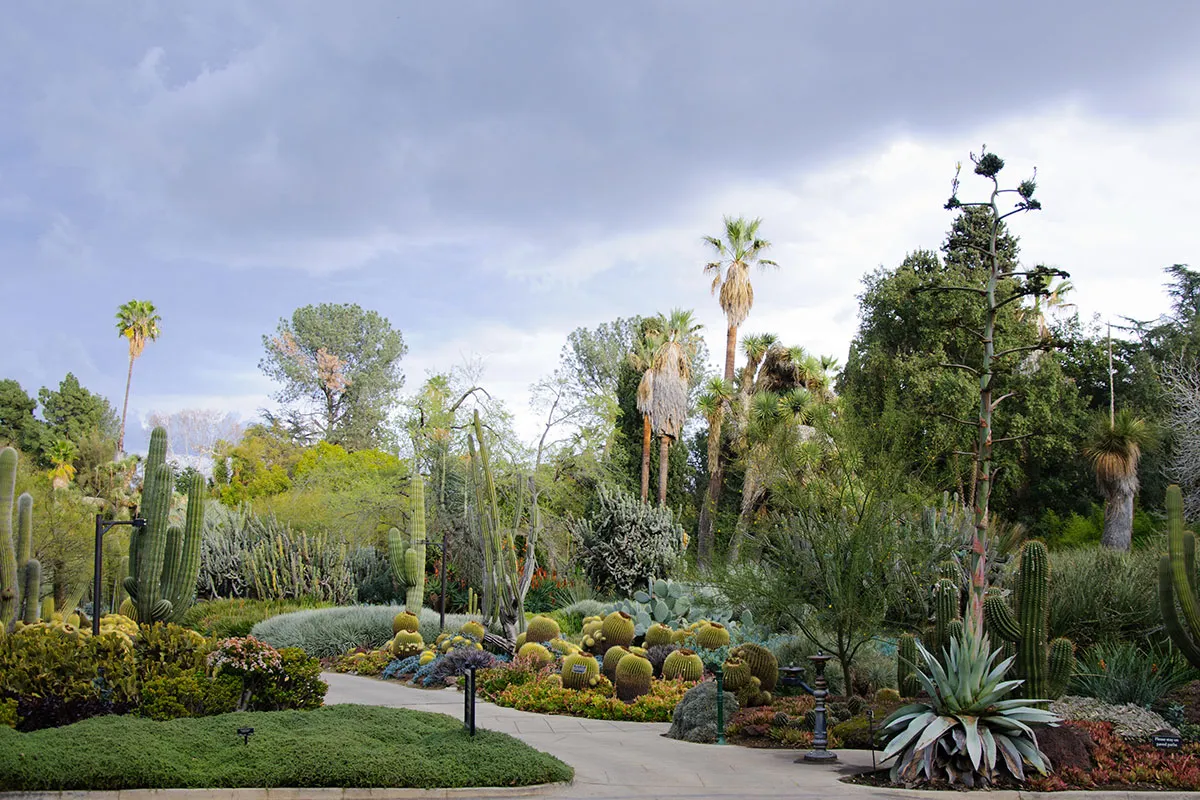
Are you planning tree or shrub installation for your Austin property and trying to understand what separates properly specified nursery stock and planting technique from the production installs that look acceptable on planting day but decline or fail within the first one to two growing seasons? Tree planting is a category where nursery stock quality standards and planting depth specification, both largely invisible once a tree is in the ground, determine whether root establishment succeeds or the tree spends years struggling against problems introduced at planting.
At Doddridge Landscaping, tree and shrub planting is part of our landscape installation service across Austin. Here is what proper specification actually involves.
Nursery Stock Quality Standards
ANSI Z60.1 nursery stock standard specification governs the industry benchmark for caliper-to-root-ball-size ratio, branch structure, and overall nursery stock quality, and specifying trees sourced to this standard, rather than accepting undersized root balls relative to trunk caliper, protects against the transplant failure risk that undersized root systems create.
Root ball diameter specification for balled-and-burlapped trees follows a minimum ratio relative to trunk caliper, generally ten to twelve inches of root ball diameter per inch of trunk caliper measured six inches above the root flare, with root balls significantly smaller than this ratio indicating a tree that lost substantial root mass during the digging process and faces meaningfully higher transplant stress.
Species selection specification for Austin conditions prioritizes native and well-adapted species, live oak, cedar elm, Mexican plum, and Texas redbud among commonly specified options, selected for genuine long-term performance in our region's soil and climate rather than species that merely tolerate Central Texas conditions.
Root Flare and Planting Depth Specification
Root flare identification before planting locates the point where the trunk visibly widens into the root system, which needs to remain at or slightly above finished grade after planting, since trees planted with the root flare buried, a common nursery production and transport issue, develop girdling roots and stem decay that can take years to become visibly apparent but ultimately shorten the tree's healthy lifespan significantly.
Planting hole specification excavates to a width two to three times the root ball diameter, encouraging lateral root establishment into loosened surrounding soil, while planting hole depth matches the root ball height precisely, avoiding the common error of planting too deep to compensate for settling, which instead compounds the root flare burial problem.
Backfill specification uses the native excavated soil, amended minimally if at all, rather than heavily amended backfill that can create a "container effect" where roots circle within the amended pocket rather than establishing into the surrounding native clay soil.
Staking and Establishment Support
Staking specification, when required for larger nursery stock or windy sites, uses a support system allowing some trunk movement rather than rigid immobilization, since controlled trunk movement during establishment encourages the trunk taper and root development that fully rigid staking can actually suppress.
Staking duration specification limits support to one growing season in most cases, with removal scheduled once root establishment provides adequate structural support independently, since staking left in place too long can girdle the trunk as it grows and create long-term structural damage.
Establishment Irrigation Specification
As Blog 1 establishes for irrigation system design, new tree plantings require a distinct establishment irrigation schedule separate from established landscape zones, typically deep, infrequent watering during the first one to two growing seasons, encouraging deep root establishment rather than the shallow root development that frequent, shallow watering promotes.
What Tree and Shrub Planting Costs
Standard tree installation, including proper nursery stock sourcing, planting hole preparation, and establishment staking where needed, typically costs 300 to 900 dollars per tree depending on caliper size and species, with larger specimen trees, four-inch caliper and above, running meaningfully higher given both nursery stock cost and installation equipment requirements.
Why Planting Depth Accuracy Determines Long-Term Health
Trees planted with proper root flare exposure and correctly sized, quality nursery stock typically establish successfully and show healthy growth within the first one to two seasons. Trees affected by buried root flares or undersized root balls often show gradual decline over several years, a slow-developing problem that traces directly back to planting specifications that were never corrected after installation.
The team at Doddridge Landscaping plants trees and shrubs across Austin with the nursery stock and planting depth standards genuine long-term establishment requires.

Planning to add trees or shrubs to your Austin property? Reach out to Doddridge Landscaping today.
.svg)
.svg)
.svg)

.svg)